

Rising ocean temperatures are making hurricanes stronger, prompting discussion about the limits of the current Category 5 scale and the potential need for a Category 6
As we continue to assess the toll left by Hurricane Melissa, one thing is clear: what we know so far confirms a scientific trend that has been years in the making. The ocean’s surface temperature is rising, and the extra heat is fueling hurricanes, making them more powerful and lethal.
The most recent count shows at least 88 deaths, with insured losses surpassing $4 billion. Tens of billions more in overall damage have been reported across the Caribbean, according to local authorities.
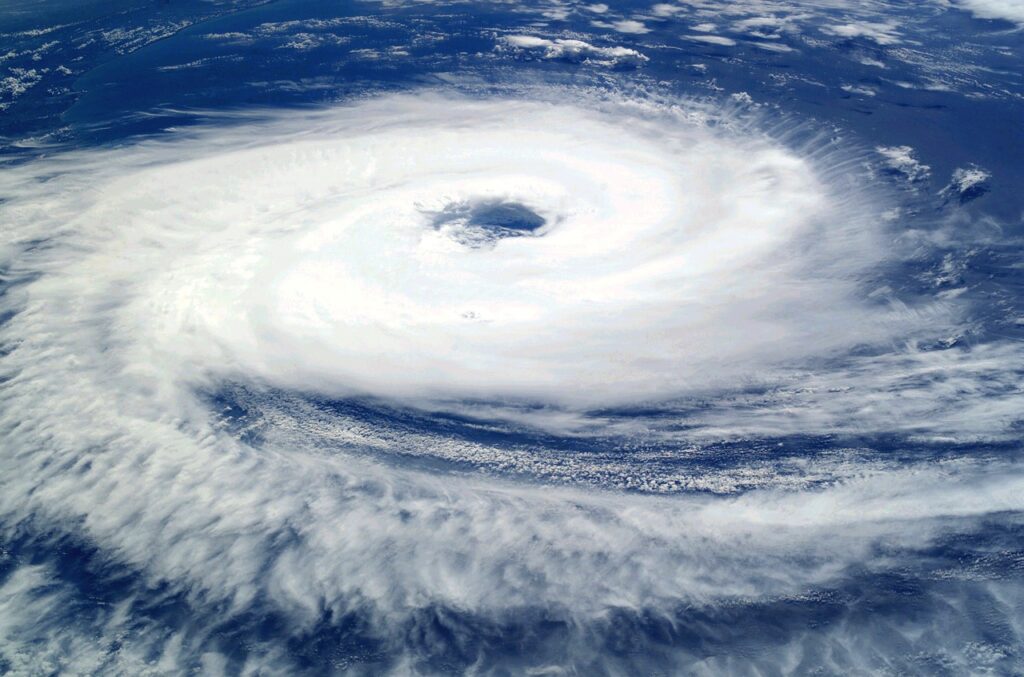
Melissa’s sustained winds reached 185 mph at landfall in Jamaica. Historical records show that only a handful of Atlantic hurricanes have reached such speeds at landfall. Melissa’s 185 mph ties it with Hurricane Dorian (2019), Hurricane Wilma (2005), Hurricane Gilbert (1988), and the 1935 Labor Day hurricane.
Only Hurricane Allen (1980) recorded slightly higher peak winds. This positions Melissa among the most powerful hurricanes ever recorded.
Melissa follows the trend of more intense hurricanes fueled by warmer oceans. Climate Central has reported that during Melissa’s rapid intensification, sea surface temperatures were about 1.4 degrees Celsius (2.5 degrees Fahrenheit) above average in the region.
The science behind this is straightforward. Burning coal, oil, and natural gas releases carbon dioxide (CO₂) and methane (CH₄) into the atmosphere. These gases trap heat by absorbing infrared radiation Earth would otherwise emit back into space. This is known as the greenhouse effect.
Over 90 percent of excess heat is absorbed by the oceans, not the air. As a result, sea surface temperatures rise, especially in the tropical Atlantic and Caribbean, where hurricanes form. NASA and NOAA data show the global ocean surface has warmed by about 1.3 degrees Celsius (2.3 degrees Fahrenheit) since the late 19th century, and the deep ocean is also warming.
Is it time for a “Category 6”?
Researchers James P. Kossin and Michael F. Wehner, among others, have proposed adding a “Category 6” tier to the Saffir–Simpson Hurricane Wind Scale, which currently tops out at Category 5.
Their rationale: current oceanic and atmospheric conditions allow storms to grow stronger, and the current scale’s top level has no upper limit, potentially under-communicating the risk of extreme hurricanes like Melissa.
For now, the proposal remains academic. It has not been adopted by forecasting agencies or incorporated into official warnings, but it may inspire further research and policy discussion, especially as storms intensify.
Any real move toward a “Category 6” would require institutional decisions, public
communication strategies and a broader re-evaluation of how hurricane categories are used in warnings.
As the academic discussion about a potential upper category continues, the trend of increasingly powerful hurricanes makes it clear that our understanding of this phenomenon must go deepen, and our efforts to curb the human activities fueling their catastrophic impact must intensify.