

Florida Climate Week™ 2026 will highlight biochar’s potential as an innovative solution to capture carbon, restore soils and advance Florida’s bioeconomy
Florida’s citrus industry has long been a pillar of the state’s economy. According to a UF/IFAS Economic Impact Analysis Program report, the sector generated nearly $7 billion in economic output and supported more than 32,000 jobs during the 2020-21 citrus marketing year.
but in recent years, the industry has faced significant challenges. Disease, environmental pressures and other factors have contributed to a 90% decline in orange production over the past two decades.
As citrus acreage disappears, trees across thousands of acres and large amounts of agricultural waste must be managed. Florida’s citrus industry lost more than 57,000 acres in the 2023-24 season, according to the USDA National Agricultural Statistics Service, continuing a long-term decline driven by pests, hurricanes and other challenges.
One emerging solution is biochar, a carbon-rich material that can transform agricultural waste into a tool for soil restoration, carbon storage and economic development.
What Is Biochar?
Biochar is a charcoal-like material produced by heating organic matter, such as citrus waste, wood residues, crop byproducts and other plant materials, in a low-oxygen environment through a process called pyrolysis.
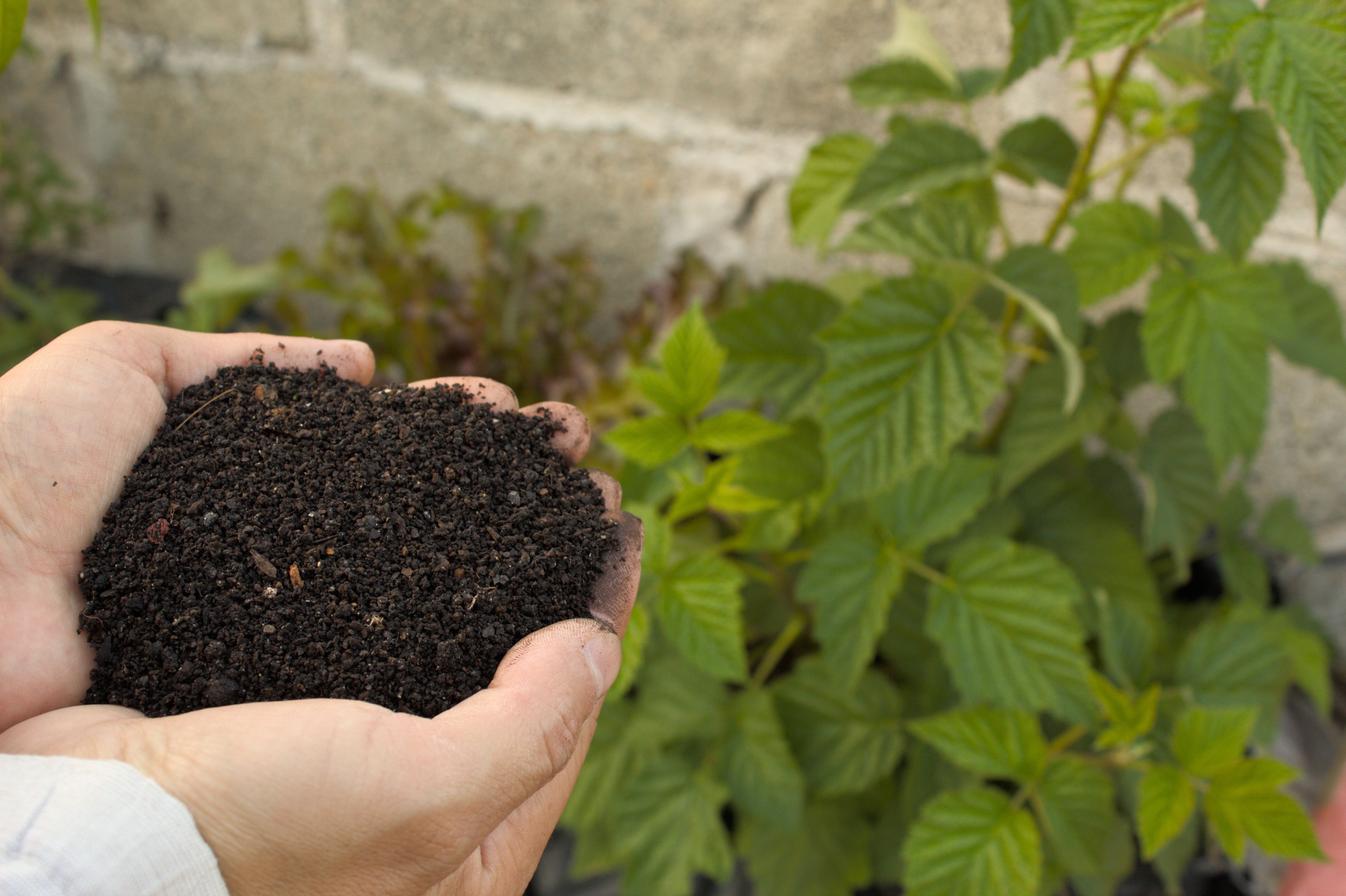
Unlike charcoal produced for fuel, biochar is designed to be added to soils. Its highly porous structure acts like a sponge, helping soils retain water and nutrients while creating a healthier environment for beneficial microorganisms.
When mixed with compost or other organic materials before application, biochar can help improve soil quality, increase water retention and support more resilient agricultural systems.
A Tool for Carbon Sequestration
One of biochar’s most important benefits is its ability to support carbon sequestration, the process of capturing carbon dioxide and storing it for long periods.
Plants naturally absorb carbon dioxide as they grow. However, when plant material decomposes or is burned, much of that carbon is released back into the atmosphere. Biochar converts part of that carbon into a stable form that can remain stored in soil for decades or even centuries.
By turning agricultural waste into a valuable resource, biochar can help reduce emissions while improving the productivity and resilience of farmland.
Biochar and Florida Climate Week
Recognizing the potential of innovative solutions such as biochar, VoLo Foundation is bringing an expert in the field to Florida Climate Week 2026, which will be held October 5-11, 2026.
At Biotech Applied Research (BAR), a Florida-based biotechnology company, the challenges facing citrus growers represent an opportunity to create new value from agricultural waste.
BAR uses mobile biochar units to process organic materials where they are generated. According to the organization, its technology can reduce waste volume by 90%, help sequester carbon in soil for up to 100 years, improve soil moisture retention by approximately 30%, and increase soil fertility by up to 36%.
Its work reflects a broader effort to build Florida’s bioeconomy, an economic model that uses renewable biological resources, such as agricultural waste, plants and other natural materials, to create products, energy, and jobs.
Beyond biochar, biotechnology applications involving industrial hemp, bioplastics and biofuels are creating new opportunities to support sustainable agriculture and rural communities. Florida’s bioscience sector already supports more than 107,000 jobs, and the growth of bio-based industries could further strengthen the state’s economy.
Learn More About Biochar in FCW 2026
Florida Climate Week will feature online programming and in-person gatherings in multiple cities across Florida, bringing together scientists, entrepreneurs, policymakers, educators and community leaders to explore solutions that advance environmental progress and economic resilience.
The biochar discussion will highlight how this technology can transform agricultural waste into a resource that restores soils, captures carbon, improves water management, and supports the future of Florida’s bioeconomy.
As Florida’s agricultural communities face growing challenges, biochar offers an example of how innovation can turn waste into opportunity, helping build a more resilient environment and economy for generations to come.
This article has been provided by VoLo Foundation, a nonprofit organization whose mission is to accelerate change and global impact by supporting science-based climate solutions, advancing education, and improving health.