

Life in Florida happens near the water. In those moments, it is easy to remember why we choose to call this state home. Our coastlines shape our identity. They power our economy, nourish wildlife, and provide a place where families create their homes.
But those same beaches are also telling another story.
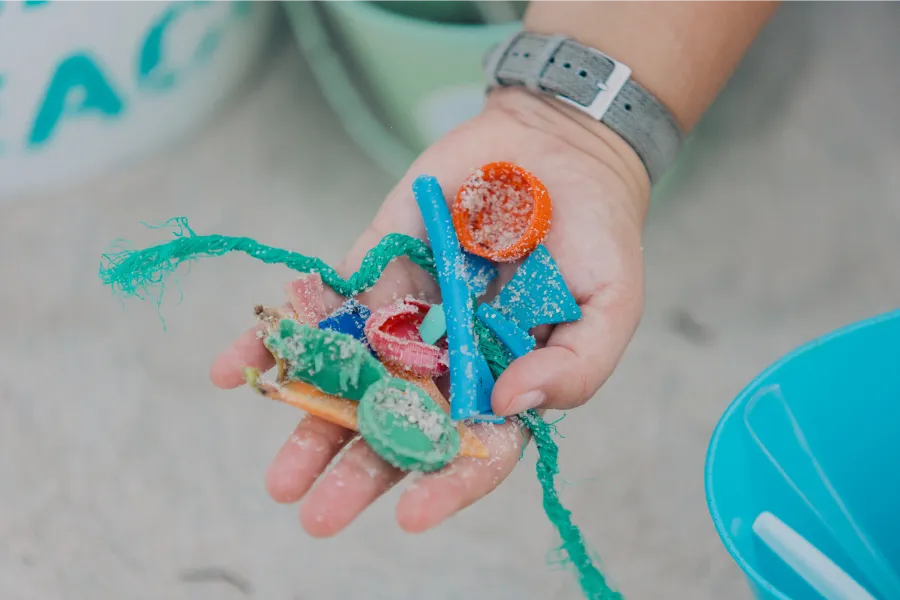
A plastic bottle washed ashore. A fishing line tangled around seaweed. Fragments of foam and food wrappers scattered across the sand. None of these items seems particularly significant on its own. Together, they remind us our everyday choices are crucial for the survival of the state we call home.
This is one of the reasons we created Florida Climate Week™. We wanted to give people opportunities to experience what climate leadership looks like in their own communities.
For the same reason, a Coastal Cleanup is among the earliest events in this year’s program. In partnership with iCare Day Program and Sea Turtle Adventures, it will take place Monday, Sept. 28, at 10:00 AM at Gulf Stream Park.
People sometimes ask me whether cleaning a beach really makes a difference. My answer is always the same: yes, because the value of a beach cleanup cannot be measured only by the pounds of trash collected.
Its real impact is measured by the people who see the coastline differently when they leave than they did when they arrived.
A child who picks up plastic instead of stepping over it may grow into an adult who thinks differently about waste. A volunteer who spends one morning removing fishing line from the sand may begin paying more attention to what ends up in storm drains, rivers and eventually the ocean. Communities working side by side develop something equally important: a shared sense of responsibility.
This is how lasting change begins.
Our coral reefs are experiencing unprecedented stress from warmer waters. Mangroves and coastal wetlands are under pressure from development and rising seas. Plastic pollution continues to threaten marine turtles, shorebirds, dolphins and fish. Nutrient runoff contributes to harmful algal blooms that affect both wildlife and local communities.
When we care for our coastlines, we are also protecting tourism, fisheries, biodiversity, public health and the economic activity that defines Florida.
Yet protecting the ocean is about much more than participating in a cleanup once a year.
Most importantly, it means recognizing that environmental stewardship is not reserved for scientists, policymakers or nonprofit organizations. It belongs to all of us.
One of the lessons I have learned over the years is this: People rarely become passionate about protecting places they have never experienced. But once they spend time walking a beach, planting a tree, restoring a habitat or cleaning a shoreline alongside neighbors, that place becomes personal.
And what becomes personal becomes worth protecting.
Florida Climate Week was created because engagement grows through lived experiences. We need those moments to remind each of us that we can contribute.
The challenges facing our oceans can sometimes feel overwhelming. Yet history shows meaningful progress is almost always achieved through countless individual actions that make a difference.
If each of us leaves the shoreline a little better than we found it, perhaps we will also leave Florida better for future generations.
Photo: JC Campos