

Through The Cora Foundation, this native of Venezuela fights against bullying in schools in the United States. From Pennsylvania, she promotes legal reforms, educational campaigns and practical tools for parents and schools, inspired by her own experience as the mother of a victim of bullying
Kiria Cora, founder of The Cora Foundation, has turned the wound of a personal experience into a national movement against bullying. From her experience as mother of a bullied child to becoming an author and activist, this Venezuelan resident of Pittsburgh, Pennsylvania, has devoted her time to educate, prevent and heal.
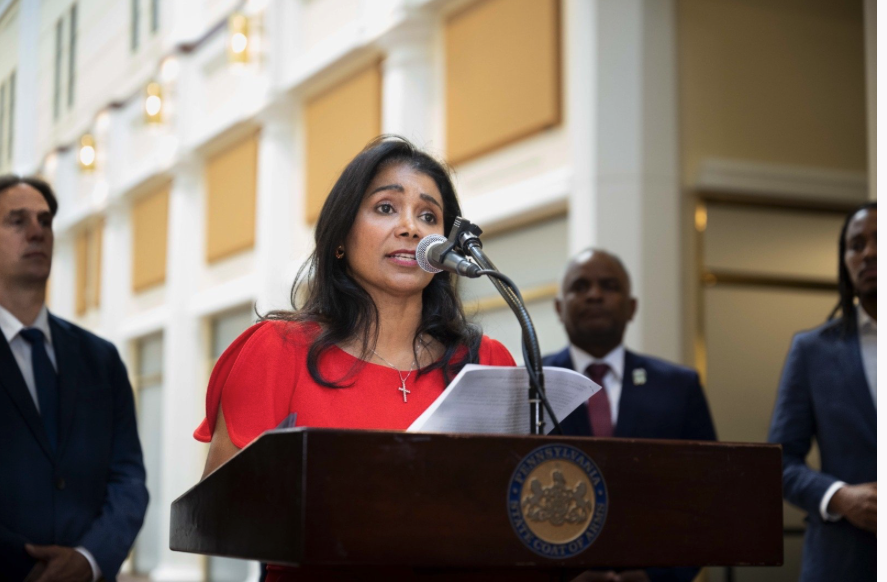
In this interview she shares her vision, her book El grito silenciado (The Silenced Cry), and how her foundation seeks to fill an urgent void, under the motto “Nadie merece ser acosado” (No one deserves to be bullied).
In your own words, what is bullying?
It is any act of abuse of power over another person, which has three essential characteristics: it is intentional, repetitive and harmful. It is not a conflict between equals; it is a sustained pattern of harm.
And why did you decide to make it the focus of your work?
Because I experienced it firsthand. And I believe that no one can properly guide other people if they haven’t lived the problem. When I confronted this situation with my son, I realized that there were no adequate institutions to help those who are going through this. Hence, my purpose and my foundation were born.
You detected a void, how did you set up The Cora Foundation to fill it?
First, I focused on studying, investigating why institutions, schools, and even parents had failed. I found that the big failure was in prevention. If we don’t know about a problem, we can’t spot its signs or act. That is how my first project was born: a radio program in Miami. There, the community started responding and proposing that I formalize my work through a foundation. In November 2023, The Cora Foundation was born, and we launched national campaigns to provide direct support to bullying victims.
What is the mission and vision of your foundation?
The mission is clear: to eradicate bullying through education, prevention and direct intervention. We want a society where children live safe, heard and protected. The vision is to train agents of change: from parents to teachers, including all social actors. The Cora Foundation not only accompanies the victims but also forms a support network to transform pain into strength. I want to emphasize that all this has been possible thanks to the sponsorship of Northwestern Mutual, Sebastian Becerra and Kevin Miller. Because of them we can continue our mission and expand our horizons.
The victim, the Bully and Their Parents
Are there certain profiles more vulnerable to bullying?
Anyone can be a victim. There isn’t just one type. But I’ve seen those kind-hearted kids, those who are different from the average, less athletic, or very intelligent, often become targets. That’s why it’s crucial to foster empathy and tolerance from an early age.
From the standpoint of the target child, what warning signs should parents look out for?
First, the silence. Then abrupt changes in behavior: isolation, sadness, anger, changes in appetite or sleep. Many victims feel that no one will believe them—or worse, that they deserve what is happening to them. This can lead to suicidal thoughts. That’s why we must act quickly, empathetically, and decisively. Our children’s lives depend on it.
Who are the other actors that must get involved?
In my book, I identify 11 key agents: parents, children, teachers, counselors, psychologists, schools, police officers, pastors, priests, lawyers, firefighters, and of course, the law. Everyone has a role to play. Bullying doesn’t only happen in schools. We also see it in churches, communities, and in how our laws are written or enforced. We all need to be educated and proactive.
Who is the bully? How can they be helped?
A bully is someone who expresses their pain through abuse. Their behavior often masks deep emotional wounds. But they also wear masks: many of these kids are the most popular, brilliant, or admired. That’s why they’re hard to identify. Psychological evaluation, therapy, and an environment that holds them accountable—but also treats them with compassion—are essential.
Do you think parents practice a form of active denial, like “that can’t happen to my child”?
Yes, absolutely. Until the problem knocks on your door, you don’t understand the extent of it. And if you find out that your child is hurting, it’s even harder to accept it. But we must understand that many bullies act from deep wounds: abandonment, humiliation, emotional abuse… The root is at home. That is why the example, emotional education and responsibility begin at home.
Making the change happen
You mentioned errors in social actors. What about parents? Why do they often fail to detect that their child is a victim?
The first step is involvement. Being present parents is crucial. We must get to know our children, see how they communicate, where the bond is failing. Another blind spot is denialism: many parents don’t want to accept that something like this is happening to their child. Sometimes the bad example comes from home. And there is also the other side: when the child is the bully, and the parent is unwilling to assume that fact and does not want to collaborate to solve it. That is where society fails.
About the legislation you are requesting, what is this initiative about and what concrete changes does it seek?
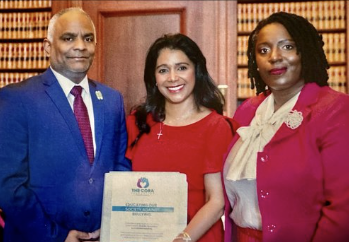
The initiative stems from an urgent need: to update the anti-bullying law in Pennsylvania. In 2024, we submitted a bill to the state House of Representatives in Harrisburg, as the current legislation had not been amended since 2009. We were faced with a law that did not reflect reality. So, we proposed recognizing bullying not only as physical or verbal assault, but also cyberbullying and exclusion, both of which have a direct impact on mental health.
On June 11, the first part of the bill was approved, which also establishes that schools have a maximum of 5 days to notify both the families of the victims and the parents of the aggressors, as a preemptive step. What we are looking for is for schools to take immediate action and for the laws to be written clearly, so that they serve as a real backup when someone needs justice.
Tell us more about your book.
El grito silenciado: las cicatrices invisibles (The Silenced Cry: The Invisible Scars) is both a manual and a method. In the first part, I share my experience and the research I conducted on trauma, post-traumatic stress, and suicide. It includes five real cases, three of which I worked on directly. In the second part, I present the “COA” method: Know, Observe, and Act. It’s a guide that helps anyone identify and respond to bullying. I also explain how to turn pain into purpose, and how to create precedents—as I did when I reported my son’s experience at the federal level, even though I later chose not to proceed with the lawsuit. The goal was to leave a record that could protect others in the future.

What happened to emotional intelligence programs in schools?
There used to be a program called Respect Curriculum, which promoted empathy and inclusion. Sadly, many of these programs were cut due to lack of funding. And the few that remain are online and lack follow-up. Emotional education must return to the classroom and become a priority.
A final message for parents, educators, and community leaders?
Indifference also hurts. We are all responsible. Let’s educate ourselves, stay observant, and act. Because silence often turns into a cry when it’s already too late. And my mission is to make sure that cry is heard—before it’s silenced forever.