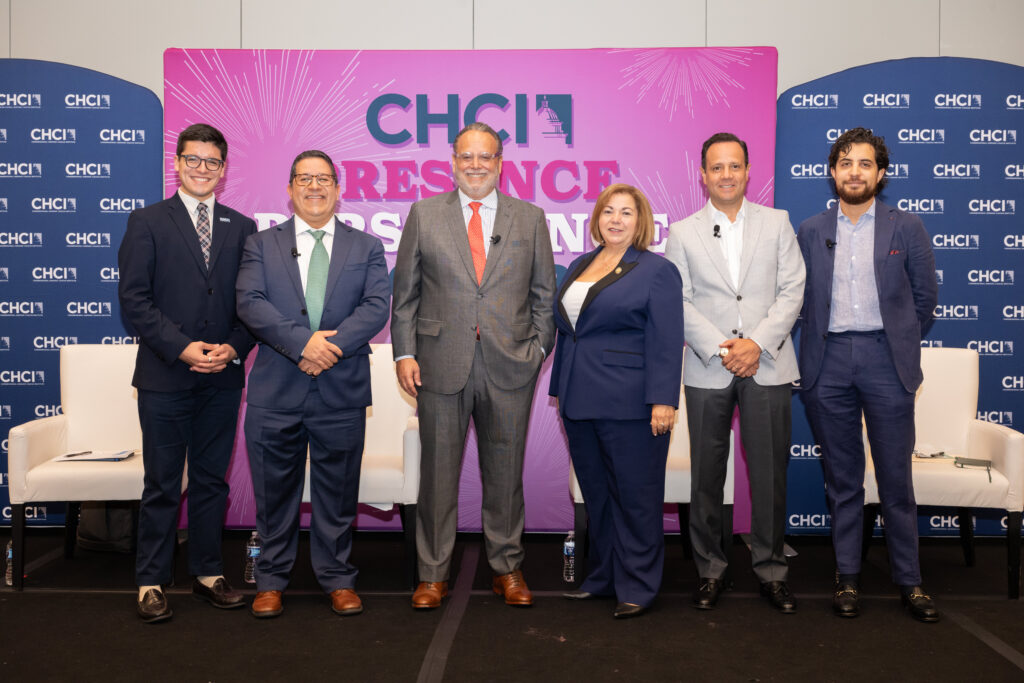
At the Congressional Hispanic Caucus Institute’s Annual Conference, the CDDA founder and former DNC member as well as Biden Presidential appointee, highlighted Venezuela’s recovery potential and advocated a U.S. policy linking investment, institutional reform, and protection for Venezuelan migrants.
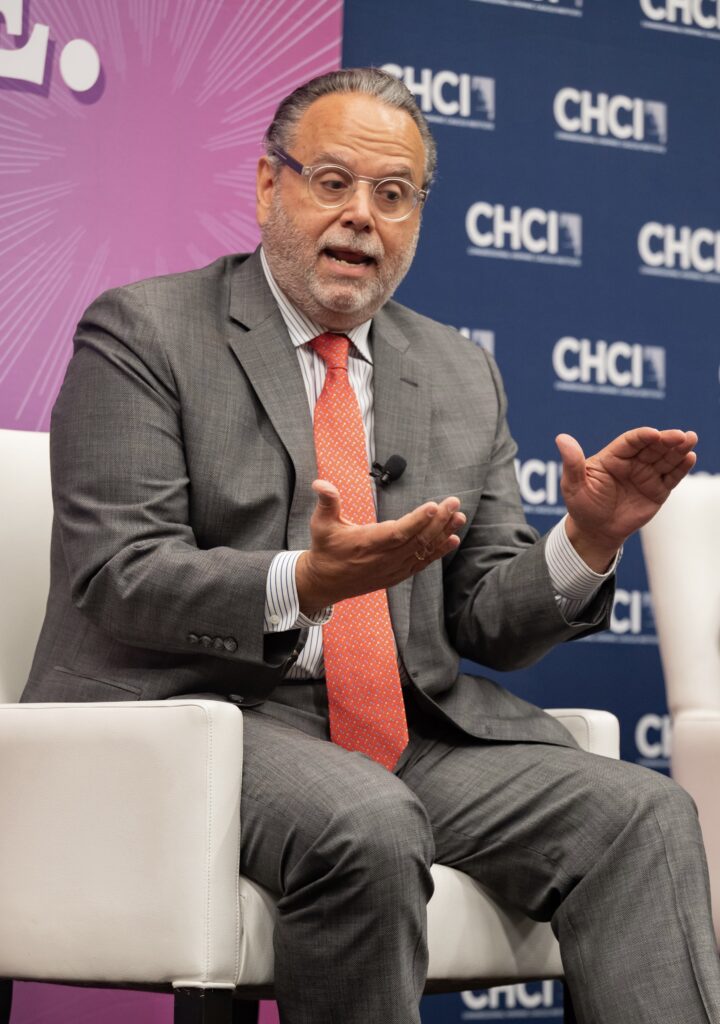
By the IQ Latino Editorial Team
Venezuela is returning to the global economy, but turning that opening into lasting prosperity requires economic recovery, democratic transition, and social justice to advance together. That was the central message of Leopoldo Martínez Nucete’s participation in the Congressional Hispanic Caucus Institute’s (CHCI) Annual Conference.
The former Venezuelan congressman, founder of the Center for Democracy and Development in the Americas (CDDA), and former Senior Counselor at the U.S. Department of Commerce offered a perspective that connects investment opportunities with the institutional and human challenges of rebuilding the country. His remarks expanded on a briefing prepared after returning to Venezuela following 21 years in exile and meeting with business leaders, political figures, labor representatives, academics, and civil society organizations.
Martínez highlighted renewed investor interest and the role of oil and natural gas in Venezuela’s international economic reintegration. In his assessment, the depth of the country’s economic collapse creates substantial recovery potential if stability, investment, and confidence take hold.
The briefing describes a transformation in both production and ownership: crude output had recovered to approximately 1.2 million barrels per day, with American, European, and Venezuelan private operators gaining prominence as reliance on Russian and Chinese state-backed interests receded. Martínez highlighted the rise of Venezuelan investor-controlled NABEP and opportunities for partnerships between international firms and domestic companies. Natural gas adds another dimension, through projects involving Shell, Repsol, and Eni and connections to Trinidad’s energy infrastructure. Together, these developments could strengthen Venezuela’s global integration, domestic productive capacity, and its role in regional energy security.
Drawing on his IQ Latino commentary, Martínez argued that the oil partnership should be assessed through its legal terms and public benefits. Private investment can preserve sovereignty when state ownership of deposits and public-interest safeguards remain intact. He viewed the arrangement as potentially beneficial to both countries, conditional on sound execution, transparent revenue management, and oversight. Its durability should rest on enforceable commitments beyond the current administrations, while energy revenues should support public services and recovery alongside a credible democratic transition. Martínez also highlighted the strategic importance of displacing Chinese, Russian, and Iranian influence in Venezuela. He framed this emerging opportunity for change as the basis for an integrated U.S.–Venezuela partnership in national and energy security, linking reliable energy supplies and investment with broader security cooperation and Venezuela’s democratic recovery.
The scale of that starting point is extraordinary: according to International Monetary Fund estimates, Venezuela’s real GDP contracted by more than 75% between 2013 and 2021—the largest decline in a country without armed conflict in almost half a century. Martínez argued that restoring part of the productive capacity lost during that period presents significant growth opportunities, although the rebound requires policies that translate it into better living conditions.
He emphasized that economic equity and social justice will remain essential to prosperity. Increased oil production and capital inflows must translate into formal employment, better wages, public services, and opportunities for communities that have endured years of impoverishment.
His briefing develops that argument by stressing the need to control inflation, stabilize the currency, and rehabilitate the electricity system. It also emphasizes the importance of building on Venezuela’s existing businesses, entrepreneurs, universities, and civil society organizations, which preserved capabilities throughout the crisis. International investment can accelerate recovery when it strengthens that domestic foundation.
Martínez expressed support for Secretary of State Marco Rubio’s three-phase framework—stabilization, recovery, and transition—while calling for greater balance and overlap among its components. His concern is that political reform could lag behind the economic opening, weakening the foundations of growth itself.
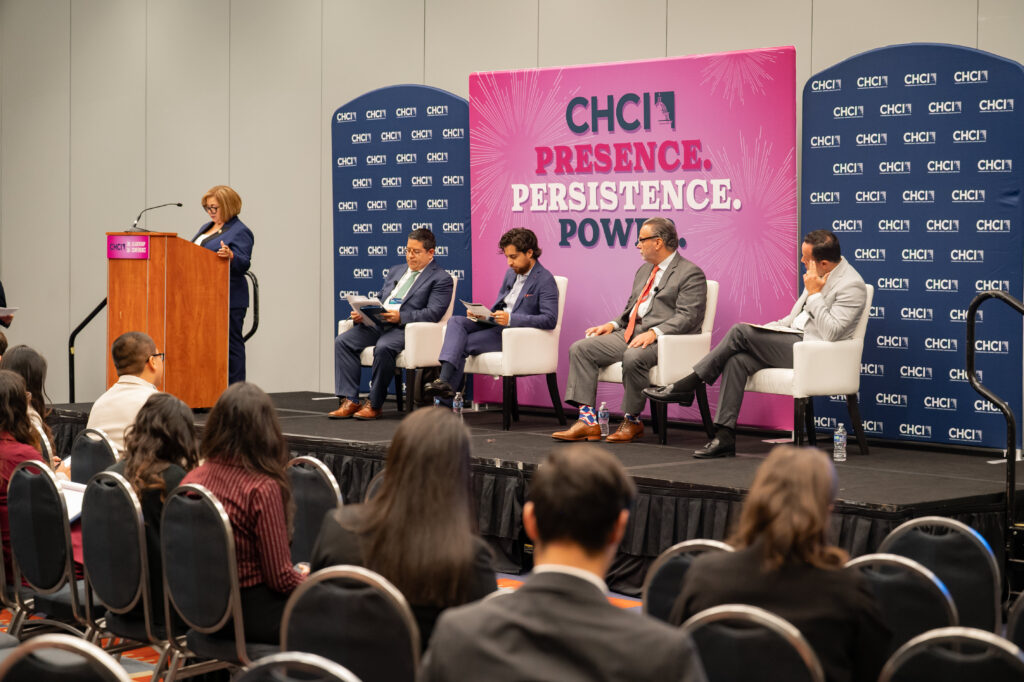
Despite that conceptual support, he voiced concern about the opacity of economic decisions surrounding the program’s implementation. He attributed that lack of transparency to the combination of sanctions and licensing restrictions with the broad discretion granted to the interim government under the exceptional legal framework it applies. He warned that this arrangement undermines predictability for investors, accountability, and the confidence necessary for sustainable recovery.
To overcome those limitations, Martínez proposed a concrete formula: lifting all sanctions in exchange for a clear electoral roadmap negotiated through the ongoing work of delegations representing the 2015 and 2026 National Assemblies, with the support of the U.S. Department of State. The proposal seeks to replace discretionary authorizations with transparent, verifiable commitments that allow economic opening and democratic transition to advance simultaneously.
Judicial independence, Central Bank autonomy, and effective oversight of public resources were central to that argument. According to the analysis developed in his briefing, these institutions are essential to transforming provisional stabilization into a credible, sustainable recovery. The document also contemplates mechanisms to reverse sanctions relief if agreed commitments are breached.
Another major theme was the diaspora’s strategic role. Nearly eight million Venezuelans have left the country: UNHCR places the figure at approximately 7.9 million, making it one of the world’s largest international displacement crises.
Martínez argued that this community now provides a platform for connecting Venezuela with the global economy. Venezuelan professionals, entrepreneurs, and workers abroad can contribute expertise, business networks, investment, and access to international markets. Not everyone will return, but everyone can help rebuild the country.
Remittances are an immediate expression of that contribution. The briefing cites estimates of at least $5 billion annually and highlights their importance in supporting families and supplying foreign currency to the economy. Protecting migrants’ ability to continue helping their households, Martínez argued, also supports Venezuela’s stabilization.
He therefore advocated Deferred Enforced Departure (DED) protection for 24 to 36 months for eligible Venezuelans in the United States, particularly those previously covered by Temporary Protected Status (TPS).
The proposal connects migration policy with recovery objectives: Venezuela still needs to create enough jobs and establish sufficient security to absorb a significant return of its citizens. Temporary protection would preserve support for families while giving migrants time to assess their options or prepare for a safe, orderly return.
Martínez’s participation advanced an agenda of sustained, bipartisan cooperation. Venezuela’s opportunity encompasses energy and investment, but its success will also depend on credible institutions, social inclusion, and a diaspora able to contribute to reconstruction from both inside and outside the country.