

Julian Nebreda, Fluence President and CEO, on Why the Electric Grid Must Get Smarter
Editorial Introduction
Artificial intelligence (AI) is transforming the global economy, but its rapid expansion is creating an unexpected challenge: electricity demand.
The explosion of AI computing, data centers, and digital infrastructure is accelerating the need for reliable, flexible, and resilient power systems.
Energy experts increasingly warn that the traditional electricity grid—designed decades ago around centralized generation and predictable demand—is not prepared for the new era of electrification and AI-driven growth.
In a recent essay, energy executive Julian Nebreda argues that the solution lies in building a smarter grid powered by advanced energy storage technologies, digital optimization platforms, and more flexible infrastructure.
About Julian Nebreda
Julian Nebreda is President and Chief Executive Officer of Fluence, a global leader in energy storage solutions and digital grid optimization software.
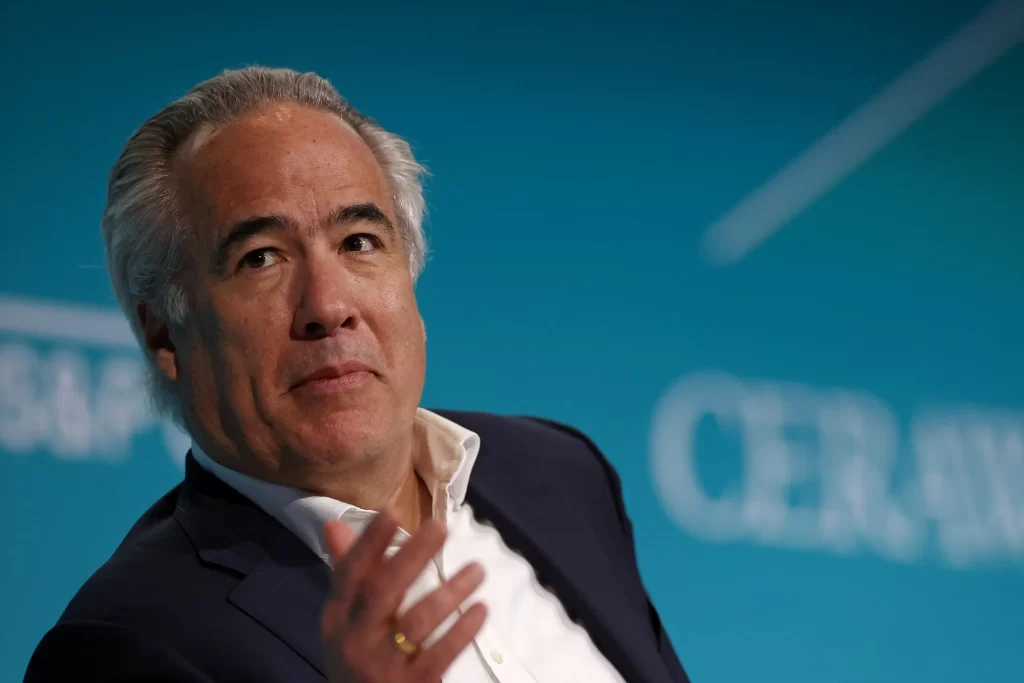
Interview with Julian Nebreda
IQL: As an executive leading a global company at the forefront of the energy transition, how has your background shaped your perspective on such a worldwide challenge?
Nebreda: My journey started in Venezuela, and living and working across different continents has shown me that while energy challenges are universal, the solutions have to respect local needs. My background gives me a deep appreciation for how fundamental reliable energy is to creating opportunity and improving communities. It reinforces my belief that the energy transition is a global imperative that needs diverse, international perspectives to get right. It’s a privilege to contribute, and I hope it shows others that there are incredible opportunities to lead in fields that will shape our collective future.
IQL: Your recent article suggests the biggest challenge for our electric grid isn’t what most people think. What’s the real issue?
Nebreda: An overarching assumption has been that the biggest challenge for the grid is a shortage of power, when it’s actually a shortage of flexibility. Think of the grid like a highway system. For decades, we had predictable traffic patterns. But now, with AI and data centers, we have sudden, massive traffic jams of electricity demand. Just building more highways (power plants) isn’t the answer. We need a smarter traffic management system (intelligent energy storage) to make the whole network more responsive. This is what I call “The And Solution” in my article.
IQL: How does energy storage do that? What is its role?
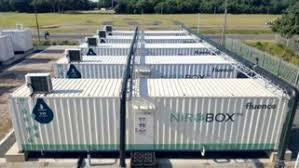
Nebreda: Energy storage allows us to save energy when it’s cheap and abundant—like when the sun is out—and use it later when it’s most needed and valuable. For renewable power, this means we can use clean energy even after the sun has set. For traditional power plants, storage acts like a shock absorber, handling the sudden bumps in demand so the main plants can run smoothly and efficiently.
IQL: We hear the grid is a bottleneck, and new power plants take years to build. How can we meet the urgent energy needs of AI?
Nebreda: Speed is everything. Building new power plants takes a very long time. In contrast, we can deploy battery energy storage systems in a matter of months. This allows us to add critical capacity and flexibility to the grid on a timeline that actually matches the explosive growth of AI.
IQL: Looking forward, what’s the most important step to prepare our grid for the future?
Nebreda: We need to embrace the tools that give us flexibility. The future is using energy storage and smart software to create a more efficient and intelligent network.