

I grew up in an American-centric Venezuela. The cars were Chevrolets, the television beamed in Dynasty and Star Trek, and every child dreamed of Disney World. My grandfather taught me to cheer John Wayne because the hero protected the innocent; the lesson being that power and principle could coexist. That faith deepened when I left for college in New Hampshire. Foreign students were rare, so I was adopted by the locals with ease—until someone asked, “Venezuela? You mean Minnesota?”
Back home, our currency the bolívar barely devalued for decades, and a Venezuelan passport opened most borders without visas. Then came a new regime, sanctions, and a collapse so brutal that GDP plunged from $400 billion in 2012 to under $50 billion by 2021. Hyperinflation hacked fourteen zeros off the currency; and families queued for hours to buy vanishing goods. Violence spread, kidnappings became common, and well-educated professionals began streaming to South Florida. Later, hundreds of thousands walked the Andes, the Amazon and finally the Darién Gap, aiming for the United States.

Roughly half a million of those arrivals gained Temporary Protected Status, asylum, or humanitarian parole because returning meant danger. That assessment has not changed, yet the Trump administration now says TPS must end because Venezuela has “significantly improved.” The claim rings hollow, but the rhetoric sticks, thanks to a small gang population—perhaps a few thousand Tren de Aragua members—that opponents wield as proof that all Venezuelans are “murderers and rapists.”
America can break that smear, because it knows how to judge individuals, not crowds. Step one is radical transparency. If the Department of Justice and ICE released quarterly arrest data by nationality, the numbers would show that TPS-holders offend less often than native-born citizens. Do that, and scare stories would start fading under the light of the truth.
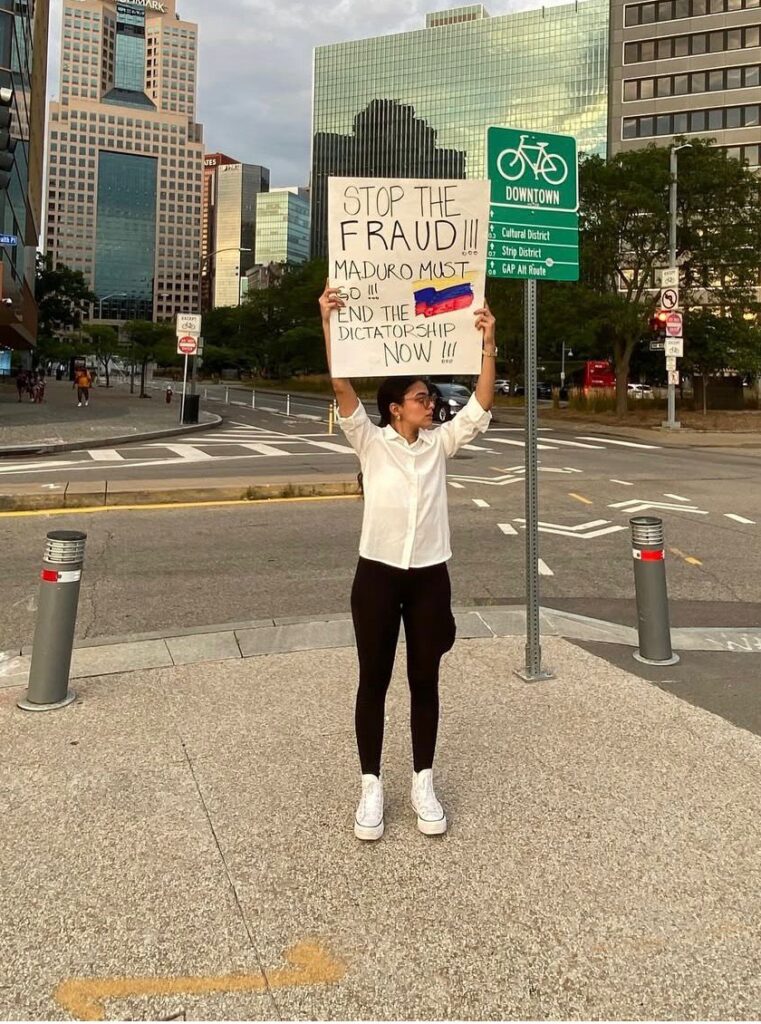
Facts need faces, so step two is storytelling. Imagine a six-part podcast from Univision and NPR’s Latino USA following a Venezuelan coder mentoring Miami high-schoolers or a nurse rebuilding a rural clinic in West Texas. Such voices make it hard to caricature a diaspora as a menace.
Step three is that legal permanence must replace limbo. A clean Venezuelan Adjustment Act, modeled on the 1966 Cuban statute, would give law-abiding TPS-holders a one-year path to residency while preserving the state’s power to deport genuine criminals. The day paperwork turns permanent, families would shift from survival to investment, mortgages, and payrolls.
Finally, the ballot must speak. Nearly 350,000 Venezuelan-Americans in Florida can vote or will naturalize before 2026. A vigorous, lawful registration drive would remind every strategist that compassion carries electoral weight—aligning moral clarity with political calculus.
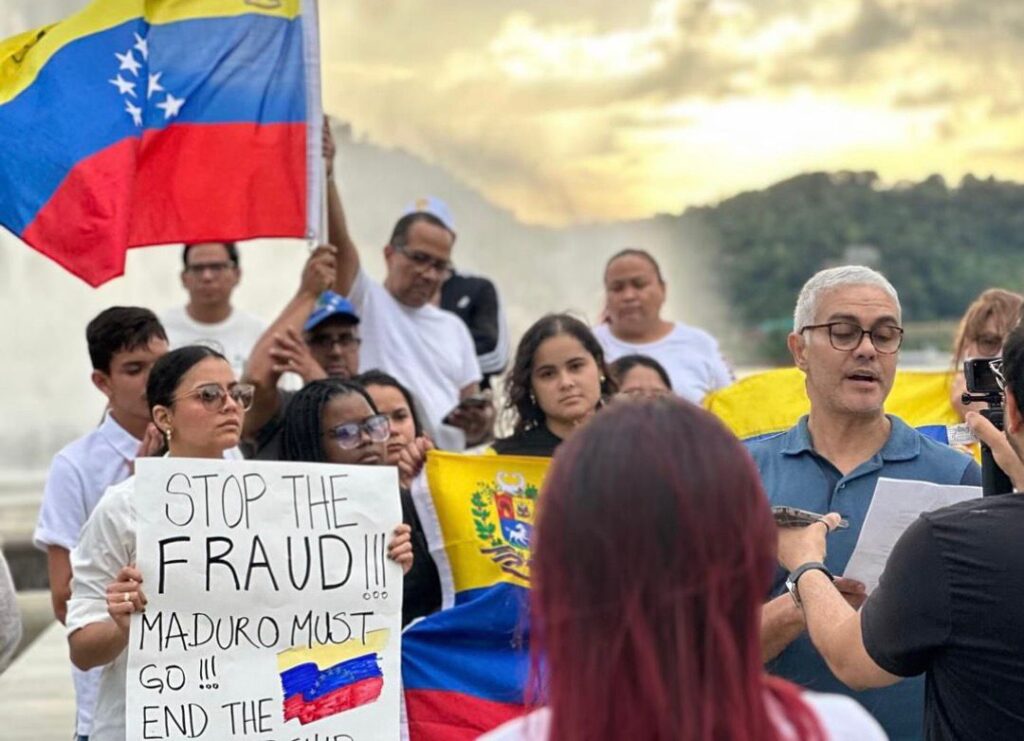
Americans value pragmatism and success. They may despair of both the Maduro government and an opposition that possesses legitimacy but not power, yet frustration does not justify condemning a people. Separate the citizen from the gangster, the migrant family from the Tren de Aragua, and allies emerge: engineers, entrepreneurs, and taxpayers who, given the chance, will bolster the very nation they admire.
The road is steep— history proves that sanctions alone do not change regimes, and polls show one in four young Venezuelans still contemplates leaving—but a better path exists. Choose evidence over innuendo, storytelling over scapegoating, and law over blanket suspicion, and today’s vilification can yield tomorrow’s partnership. That ideal—where justice protects the innocent and punishes the guilty—was the promise a boy saw in John Wayne’s films. It is the America Venezuelans still hope to call home.